
Duration
7 Days
Tour Type
Adventure Tour
Group Size

Tour Guide
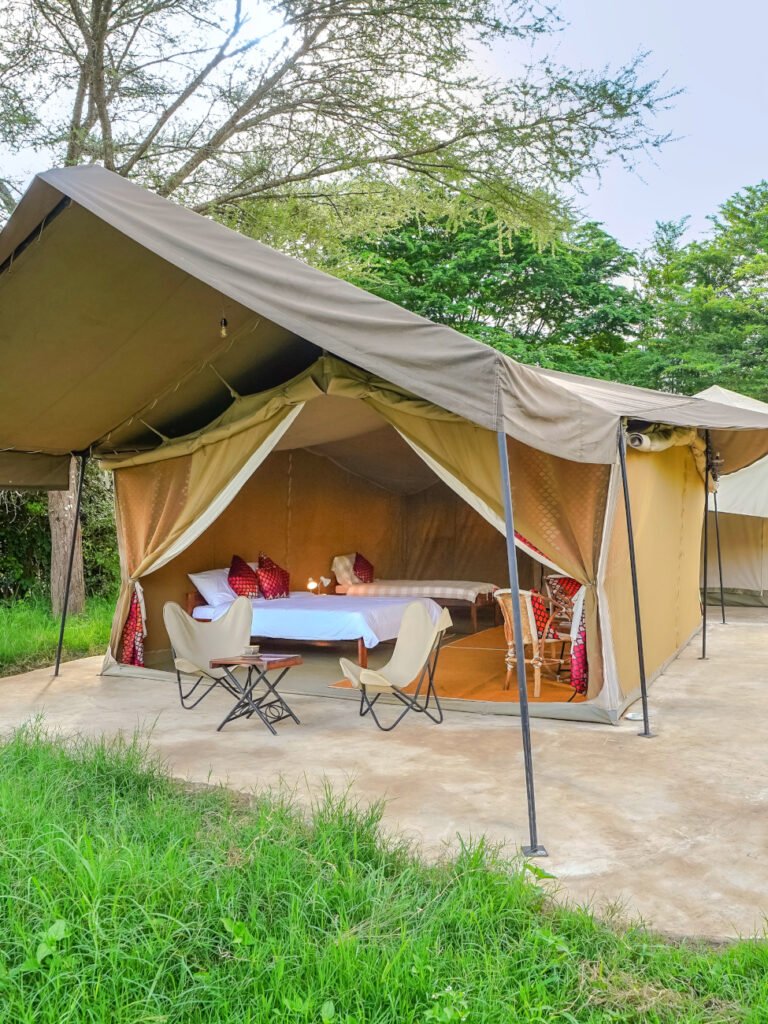
All, Tented Camps
Solo Traveller 7 Days From $3500 pP
For many people, going on a safari or climbing Kilimanjaro is a once-in-a-lifetime dream that is now coming true. This experience could change the way you see the world. Not everyone who harbours this dream has a partner, a friend or family who shares it. That’s why we believe you shouldn’t miss out on this just because your partner wouldn’t enjoy spending a week travelling alone through Africa. As a solo traveller, you can enjoy the opportunity to explore everything and try new things without having to worry about where to go or what to cut from the itinerary.
Details
On arrival at the airport, you will be met by nitoursandsafaris, who will then drive you to Arusha, where you will spend the rest of your stay. Depending on your arrival time, you can spend the day relaxing by the pool or exploring the city of Arusha.
ACCOMMODATION:
Tumbili Lodge
Today, your journey begins with a drive from Arusha to Tarangire National Park. The park is best known for its herds of elephants, the savannah, the baobab trees, the seasonal swamps and the life-giving Tarangire River. The animals gather by the river, and giraffes, bushbucks and hartebeests are often spotted. The park is also home to buffalo, zebras and wildebeest, which are constantly pursued by a range of predators such as lions. Leopards are occasionally spotted, whilst cheetahs are rarely seen. From the open roof of the vehicle, you can admire the landscape and observe the animals. In the late afternoon, you will leave the park and drive to the lodge, where you will spend the night.
ACCOMMODATION:
Burunge Tented Lodge
Our day begins with an early breakfast. Afterwards, you will head towards the plains of the Serengeti National Park, Tanzania’s largest national park. The Serengeti offers a diverse landscape of short-grass plains, savannah, dense bush, swamps and lakes, and is famous for the annual migration, during which hundreds of thousands of wildebeest and zebras pass through in search of fresh grass and water. On the way to your accommodation, you will understand where the word Serengeti (which means ‘plain’ in the Maasai language) comes from. You will spend the afternoon watching wildlife until sunset, before driving to the lodge for the night.
ACCOMMODATION:
Baobab Central Serengeti Camp
After an early breakfast, you will spend the next two days on game drives in the Serengeti National Park. During the short rainy season in November and December, the herds migrate from the hills in the north to the plains in the south, whilst during the longer rainy season from April to June, they return north again. This cycle of life is dictated by the rains, and the herds’ whereabouts can vary from year to year, but nizoursandsafaris knows where to find the animals and where best to observe them. A visit to the Serengeti Visitor Centre is also possible. Here you can learn more about the history of the park and the research work of the Frankfurt Zoological Society. You will spend two nights at the Tented Camp.
After an early breakfast, you will drive to the Ngorongoro Crater, where you will descend 600 metres to the crater floor to observe the wildlife. Thanks to a year-round supply of water and food, the Ngorongoro Conservation Area is home to an enormous variety of animals, including herds of wildebeest, zebras, buffalo, eland, warthogs, hippos and African giant elephants. Another major attraction of this picturesque national park is its dense population of predators, including lions, hyenas, jackals, cheetahs and the ever-elusive leopard, which can sometimes only be spotted by a trained eye. You will visit Lake Magadi, a large but shallow alkaline lake in the south-western part, which is one of the crater’s main attractions. Here, you can usually see numerous flamingos, hippos and other waterbirds. In the late afternoon, we drive to your accommodation, where you will spend the night.
ACCOMMODATION:
Ngorongoro Safari Lodge
After breakfast, you will drive to Lake Manyara National Park.
The park is renowned for its more than 400 species of birds, its primate-inhabited forests and its grassy plains. A large part of the park is taken up by the alkaline Lake Manyara, a seasonal breeding ground for large colonies of flamingos and many other waterbirds. The park is also home to giraffes, hippos, wildebeest, impalas and groups of noisy monkeys and baboons. After an extensive game drive, you will drive to Arusha, from where you will head home.